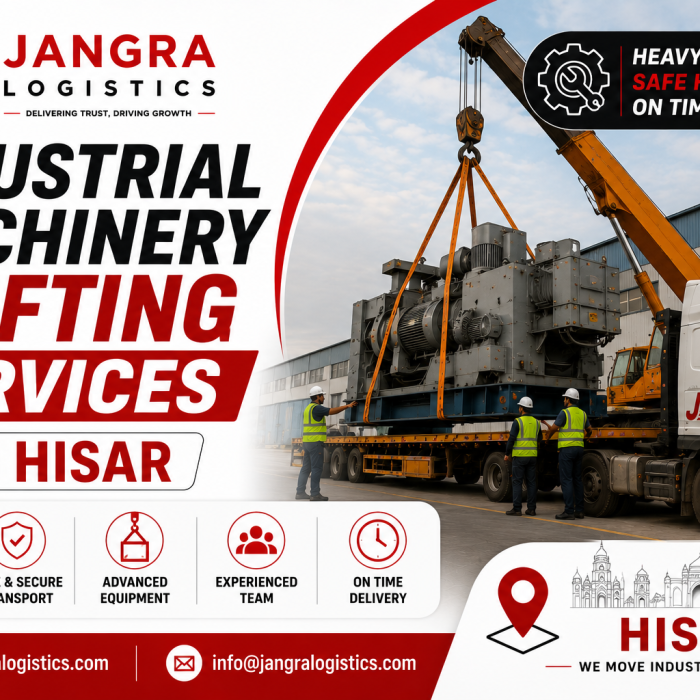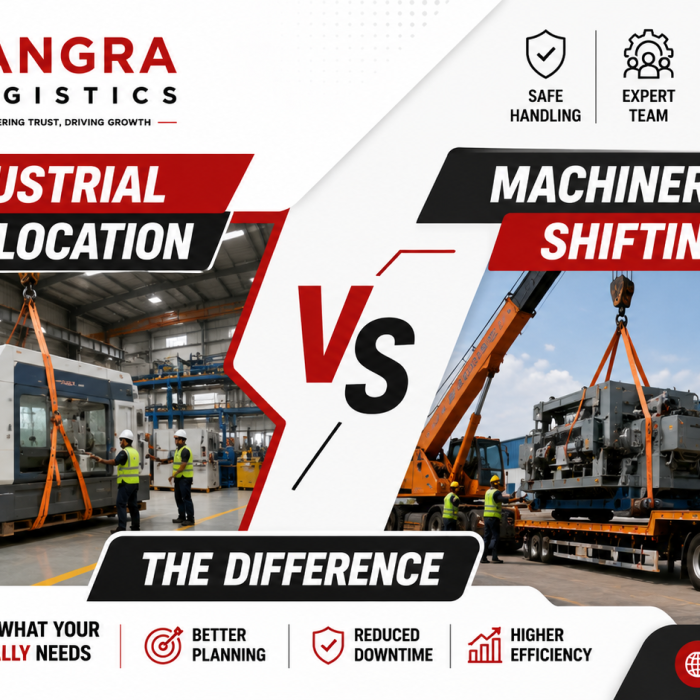
Anyone who’s run a steel unit near the HSIIDC industrial estate in Hisar knows this problem well. You’ve got a machine part or a finished product ready to ship, and the transporter says “just get it crated first, then we’ll load it.” Sounds simple, until you find out most local packers only carry cardboard boxes, and the one crate-maker who can actually build a proper wooden box wants the item brought to his workshop first — which means loading it onto a tempo, unloading it there, waiting two days, then loading it again just to get it crated. For anything heavy, fragile, or already assembled, that’s not a small inconvenience. That’s extra handling, extra risk, and extra time you didn’t have to begin with.
On-site crate packaging solves exactly this. Instead of moving your item to get it packed, the crate gets built around the item, right where it already is — at your factory, your warehouse, your shop, or your home. This page covers what on-site crate packaging actually involves, who in Hisar needs it most, what it costs, and how to get it done without the back-and-forth.
What Is On-Site Crate Packaging?
A crate is a solid wooden box built to the exact size, weight, and shape of one specific item — not a standard size picked off a shelf. On-site crate packaging means our team comes to wherever your item currently is, measures it there, and builds the crate around it on the spot. The item never has to travel unpacked, never gets loaded and unloaded an extra time just to reach a packing facility, and never sits around waiting its turn in someone else’s workshop queue.
This matters most for anything that’s heavy, already assembled, fragile, or simply too awkward to move safely without protection in the first place — which describes a lot of what actually needs crating.
Who in Hisar Actually Needs This Service?
Steel and engineering units around the industrial estate. Hisar’s steel re-rolling mills, ball bearing manufacturers, and agricultural implement makers regularly ship finished products or machine parts that are heavy, precise, and expensive to damage. A dented crate corner is one thing — a bent shaft or a scratched precision part is a rejected shipment.
Export-oriented manufacturers. A good number of Hisar’s engineering and bicycle-parts units ship internationally. Export crates need proper build quality and, where required, ISPM-15 treated wood — get this wrong and your shipment can sit stuck at the port instead of moving.
Households moving valuable or oversized items. Not everything on-site crating is for is industrial. A large mirror, an antique piece of furniture, a piano, or expensive electronics being moved from a home in Model Town or Urban Estate benefits from the same principle — built-to-fit protection instead of a generic box that’s either too loose or doesn’t fit at all.
Anyone shipping something that simply can’t be disassembled easily. If taking an item apart to fit it in a standard box risks damaging it more than moving it whole, a custom crate built around its actual shape is the safer call.
What Goes Into Building a Proper Crate On-Site
Step 1 — Measure and assess right there. Before any wood is cut, we measure the item’s exact dimensions and weight at its current location, noting any parts that stick out or need extra protection.
Step 2 — Build the frame to match, not the other way around. The crate is constructed around the item’s actual size. This sounds obvious, but it’s exactly what a standard-size box can never do properly — either too much empty space for the item to move around in, or too tight and pressure gets applied where it shouldn’t.
Step 3 — Internal bracing at pressure points. Corners, edges, or protruding parts get individual padding or bracing so nothing inside the crate can shift and bang against the walls during transport.
Step 4 — Moisture and weather protection. A polythene or moisture-barrier layer goes in before the crate is sealed, especially important for metal parts that can rust or wood and electronics sensitive to humidity during Hisar’s summer heat or monsoon transit.
Step 5 — ISPM-15 treated wood for export shipments. If the item is headed overseas, we use heat-treated, ISPM-15 stamped wood as standard, so the shipment doesn’t get delayed or rejected at customs over a packaging technicality.
Step 6 — Sealing and marking. The crate is closed, strapped, and clearly marked with handling instructions — fragile, this side up, weight — so anyone handling it further down the chain knows exactly what they’re dealing with.
On-Site Crate Packaging Cost in Hisar
| Item Type | Approx. Crate Cost |
|---|---|
| Small item (furniture, electronics, under 50 kg) | ₹2,000 – ₹4,500 |
| Medium machine part or equipment (50–150 kg) | ₹4,500 – ₹10,000 |
| Large machinery or bulk industrial item (150–400 kg) | ₹10,000 – ₹22,000 |
| Export-grade crate with ISPM-15 wood | ₹15,000 – ₹35,000+ |
The final cost depends on the item’s exact size and weight, whether it’s for domestic or export shipping, how much internal bracing it needs, and how far our team has to travel within Hisar. We give a written quote after seeing the item or clear photos — never a guess over a phone call.
Why Get It Done On-Site Instead of at a Workshop
- No extra loading and unloading just to reach a packing location — fewer handling steps means fewer chances of damage
- The crate is built to fit the item exactly where it stands, so there’s no risk of mismeasurement from moving it first
- Saves time — for factories especially, a machine sitting idle waiting to be moved for packing is lost production time
- One visit covers measuring, building, and packing, instead of a multi-day back-and-forth with a separate crate-maker
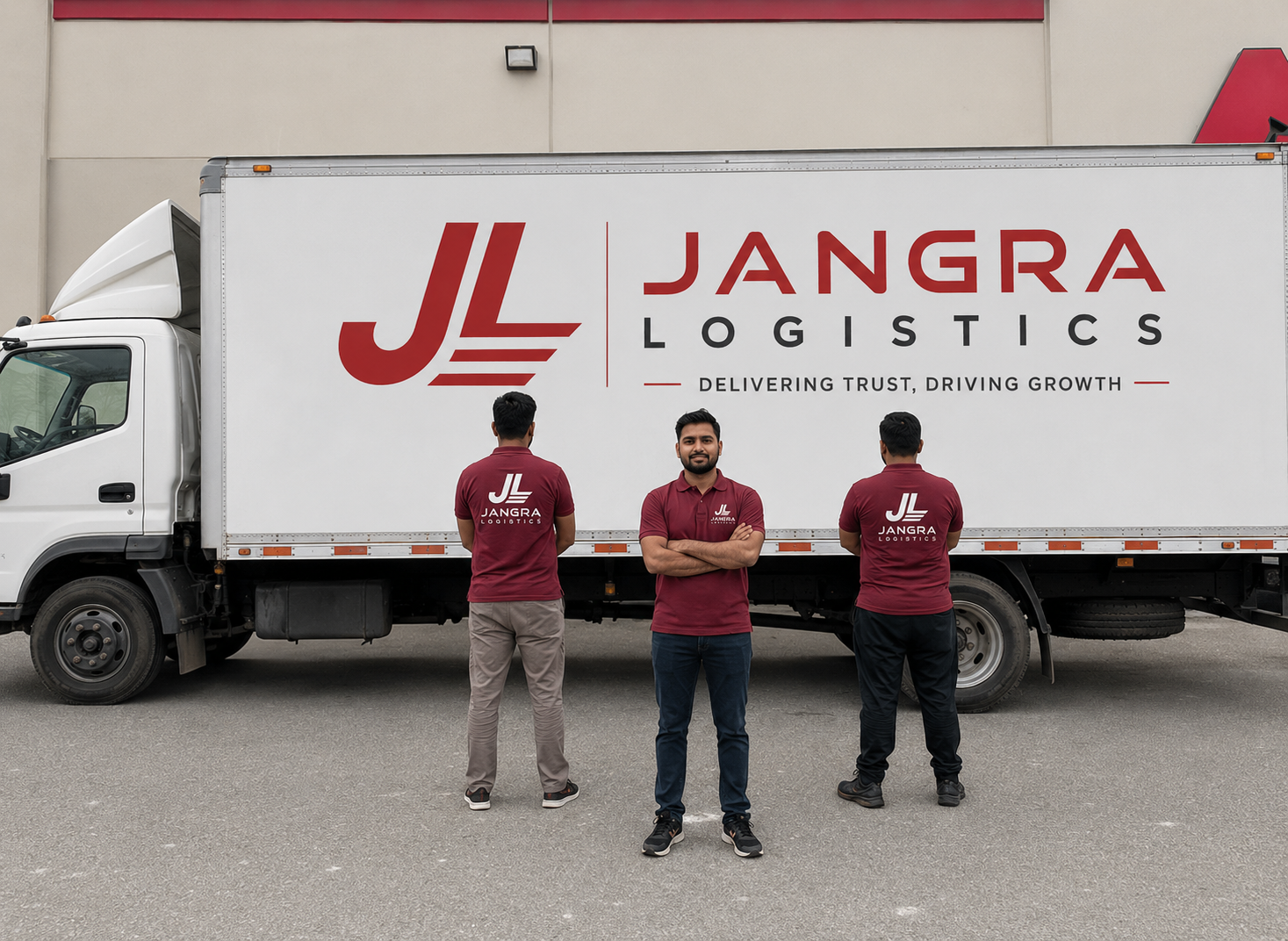
How Jangra Logistics Handles Crate Packaging in Hisar
Our team carries the tools and material needed to build a crate wherever your item is — no need to arrange transport just to get it packed. We work with steel and engineering units around the HSIIDC industrial estate, agricultural equipment manufacturers, and households across areas like Model Town, Urban Estate, Sector 13-17, and Red Square Market regularly, so we already know the kind of items that typically need crating in this city, from machine parts to family heirlooms.
If your crate packaging is part of a bigger move — shifting your whole home or relocating your business within Hisar or to another city — our packers and movers in Hisar team can handle the entire job together, from packing to loading to transport, instead of coordinating separate vendors for each part.
Frequently Asked Questions
Do you really come to my location, or do I need to bring the item somewhere? We come to you. On-site is the whole point — your item stays exactly where it is while the crate gets built around it.
Can you build a crate the same day I call? Often yes, depending on the item’s size and our team’s schedule that day. Call early and tell us what you need — we’ll be upfront about the actual timeline.
Is ISPM-15 wood necessary for every crate? Only for shipments going outside India. Domestic crates don’t need it, though we still build with solid, properly braced wood either way.
What if my item is an unusual shape that won’t fit a standard box? That’s exactly what on-site crating is built for. The crate is made around your item’s actual shape, not a fixed standard size.
Do you also handle the transport after the crate is built? Yes. Our Hisar team can arrange the truck and delivery right after packing, whether it’s a local drop or an interstate shipment.
Is insurance available for crated items in transit? Yes, optional transit insurance is available based on the item’s declared value. We’ll explain it clearly when you book.
Get Your Crate Built On-Site in Hisar
Don’t let your machinery sit idle or your valuables travel unprotected just because the nearest crate-maker wants you to bring the item to them. Tell us what needs crating and where it currently is, and our Hisar team will call back with a written quote the same day. Call us or message on WhatsApp with your item details and location, and we’ll get it sorted without the back-and-forth.