A loaded pallet jack carrying half a tonne doesn’t forgive a bad turn. Neither does a forklift with its forks raised too high on uneven flooring, or a stack of drums that wasn’t checked for cracks before someone tried to shift it. Most warehouse injuries involving heavy loads don’t come from some freak accident — they come from a shortcut someone took because the job felt routine that day. Understanding how warehouse managers move heavy loads safely isn’t about memorizing a rulebook; it’s about building habits that hold up even when the floor is busy, the shift is running late, and everyone just wants the truck loaded. This guide walks through what actually keeps people and cargo safe, from equipment selection to the securing techniques that make the difference between a load that arrives intact and one that doesn’t.
Why Heavy Load Safety Deserves More Attention Than It Gets
Heavy load handling tends to get treated as background work — something that happens quietly while the “real” operations run on top of it. That’s exactly why it causes so many problems. A pallet jack rated for a couple of tonnes doesn’t look dangerous sitting in a warehouse aisle, but an off-center load or a sharp turn can tip it fast enough to injure whoever’s nearby.
The risk isn’t limited to the person operating the equipment either. Bystanders, other warehouse staff walking through, and anyone loading a truck nearby are all exposed when a load isn’t handled correctly. Warehouse managers who take this seriously tend to build safety into the daily routine rather than treating it as a once-a-year training session everyone forgets by lunch.
Start With a Proper Load Assessment
Before any heavy item gets moved, someone needs to actually look at it — not assume it’s the same as the last hundred pallets that went through. Weight, shape, and balance all change how a load behaves once it’s in motion.
An evenly distributed pallet behaves predictably. A load with all the weight on one side, or something with an awkward overhang, doesn’t — it shifts the center of gravity and makes tipping far more likely, especially on a turn or an incline. Managers who train their teams to check this before lifting, not after something starts wobbling, catch most problems before they become accidents.
It’s also worth inspecting the pallet or container itself. A cracked pallet board or a damaged crate can fail under weight it would normally handle fine, and by the time that becomes obvious, the load is already in motion.
Choosing the Right Equipment for the Job
Not every heavy load needs a forklift, and not every load is light enough for a manual pallet jack. Matching the equipment to the actual weight and size of the cargo is one of the simplest ways to prevent injuries.
Manual pallet jacks work fine for moderate loads over short, flat distances, but they put real physical strain on the operator once weight climbs into the higher range. If your team is regularly pushing pallet jacks to their limit, it’s usually cheaper in the long run to move to an electric pallet truck than to keep absorbing the wear and tear on people’s backs and shoulders.
Forklifts handle heavier, elevated loads, but they come with their own risks — tip-over on turns, reduced visibility with a tall load, and instability if the forks aren’t positioned correctly under the pallet. Operators need proper training here, not just a quick walkthrough on their first day.
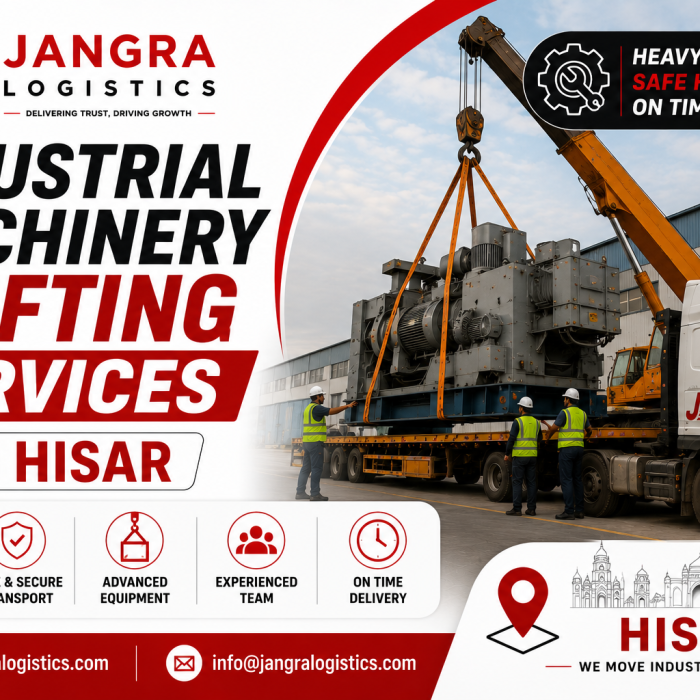
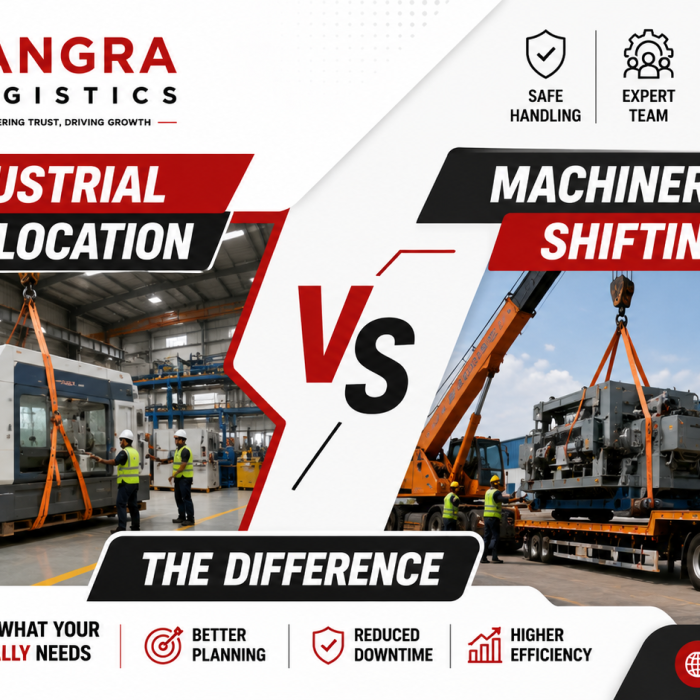
Cranes and hoists come into play for genuinely heavy or awkward industrial loads — machinery, transformers, skidded equipment — where neither a forklift nor a pallet jack is appropriate. These need trained operators and a clear zone, since the failure mode here is far more serious than a tipped pallet jack.
Choosing correctly here isn’t just about efficiency. It’s the single biggest factor in whether a heavy load move goes smoothly or ends with an incident report.
Load Securing: Chocking, Lashing, and Skidding
Getting a heavy load onto a vehicle or into position is only half the job — keeping it there is the other half, and it’s the part that gets rushed most often.
Chocking uses wedges or blocks to stop cylindrical or round loads, like coils or drums, from rolling once they’re placed. Skipping this step is one of the most common causes of cargo shifting mid-transport, and it’s one of the easiest to prevent.
Lashing uses straps, chains, or ropes to hold a load firmly in place against the vehicle bed or container floor. The lashing method changes based on what’s being secured — a steel coil needs a different approach than a crated machine part, because they behave differently under braking force and vibration.
Skidding applies to heavier or industrial-grade cargo — machinery, equipment, or anything that needs a load-rated base before it’s even ready to move. A properly built skid distributes weight correctly and gives loading equipment a stable point to lift from, which matters as much for warehouse safety as it does for the cargo’s condition on arrival.
Getting these right isn’t just about protecting the goods. An improperly secured load that shifts during transport or handling can become a serious hazard for anyone near the truck or forklift when it happens.
Personal Protective Equipment Isn’t Optional
Gloves, steel-toed boots, and eye protection show up on every warehouse safety checklist for a reason — most heavy load injuries involve hands, feet, or eyes, and basic PPE prevents a large share of them. Hard hats matter in areas where overhead lifting is happening, and high-visibility vests keep pedestrian staff visible to forklift and pallet jack operators moving through the same space.
The equipment only works if people actually wear it consistently, not just when a supervisor is walking through. Managers who build PPE checks into the start of every shift, rather than leaving it to individual judgment, see far fewer near-misses.
Clear Pathways and Communication Prevent Most Accidents
A warehouse with clearly marked lanes for equipment and pedestrians, kept free of clutter, removes a huge share of the risk before a load is even moved. Blocked aisles force operators into tighter turns and worse visibility, both of which increase the odds of a tip-over or collision.
Communication matters just as much. A horn at blind corners, a call-out before lowering a raised load, and a clear line of sight before reversing all sound like small habits, but they’re the difference between a controlled move and a close call. Teams that treat these as routine — not as extra steps for “when it matters” — end up with fewer incidents overall.
Common Mistakes That Lead to Heavy Load Accidents
Most heavy load accidents trace back to a handful of repeat mistakes: pulling a loaded pallet jack instead of pushing it, which reduces control and strains the back; lifting a load higher than necessary during transport, which raises the center of gravity and makes tipping easier; skipping the pre-use equipment check because “it was fine yesterday”; and rushing a turn with a loaded forklift because the shift is behind schedule.
None of these look serious in isolation. Together, over a busy shift, they’re what actually causes most warehouse injuries involving heavy cargo.
A Practical Checklist for Warehouse Managers
- Assess the load’s weight, shape, and balance before moving it.
- Inspect the pallet, crate, or container for damage.
- Match the equipment to the load — don’t push a pallet jack past its limit.
- Secure the load properly: chock round items, lash against shifting, skid heavy machinery.
- Confirm PPE is worn before work starts, not checked after the fact.
- Keep aisles clear and enforce right-of-way between pedestrians and equipment.
- Train operators specifically on the equipment they’re using, not generically.
- Build in communication habits — horns, call-outs, visual checks — as standard practice.
Frequently Asked Questions
What’s the biggest cause of heavy load accidents in warehouses? Rushed moves and skipped pre-use checks account for most incidents — not equipment failure, but a shortcut taken under time pressure.
Should loads be pushed or pulled when using a pallet jack? Pushing is safer. It gives the operator better visibility and uses leg strength rather than straining the back and shoulders, which happens more with pulling.
When should a warehouse use a forklift instead of a pallet jack? When the load is too heavy for manual handling, needs to be elevated, or has to travel a longer distance across the warehouse floor. Pallet jacks are best for shorter, flat-ground moves within their rated capacity.
What is load chocking and when is it needed? Chocking uses wedges or blocks to stop round or cylindrical loads, like drums or coils, from rolling once placed. It’s essential any time a load could move on its own due to its shape.
How often should heavy-load equipment be inspected? Before every use, at minimum, and again after each shift if the equipment runs around the clock. A quick check for damage, worn wheels, or hydraulic issues catches most equipment-related failures early.
Does PPE actually reduce heavy load injuries? Yes. Most warehouse injuries involving heavy cargo affect hands, feet, or eyes — areas that basic PPE like gloves, steel-toed boots, and eye protection directly protects.
Getting It Right, Every Time
Warehouse managers who move heavy loads safely aren’t relying on luck — they’re relying on habits: proper load assessment, the right equipment for the job, correct securing methods, and a team that treats PPE and communication as routine rather than optional. None of this is complicated, but it does require consistency, especially on the busy days when it’s tempting to cut a corner.
If your business handles industrial cargo, machinery, or heavy consignments that need proper lashing, chocking, or skid packaging before they leave your warehouse, that’s exactly the kind of work Jangra Logistics does daily. For businesses across World looking for the best packers and movers to handle heavy and industrial loads correctly, our team brings the same load-specific approach to every job, whether it’s a single skid or a full warehouse relocation.