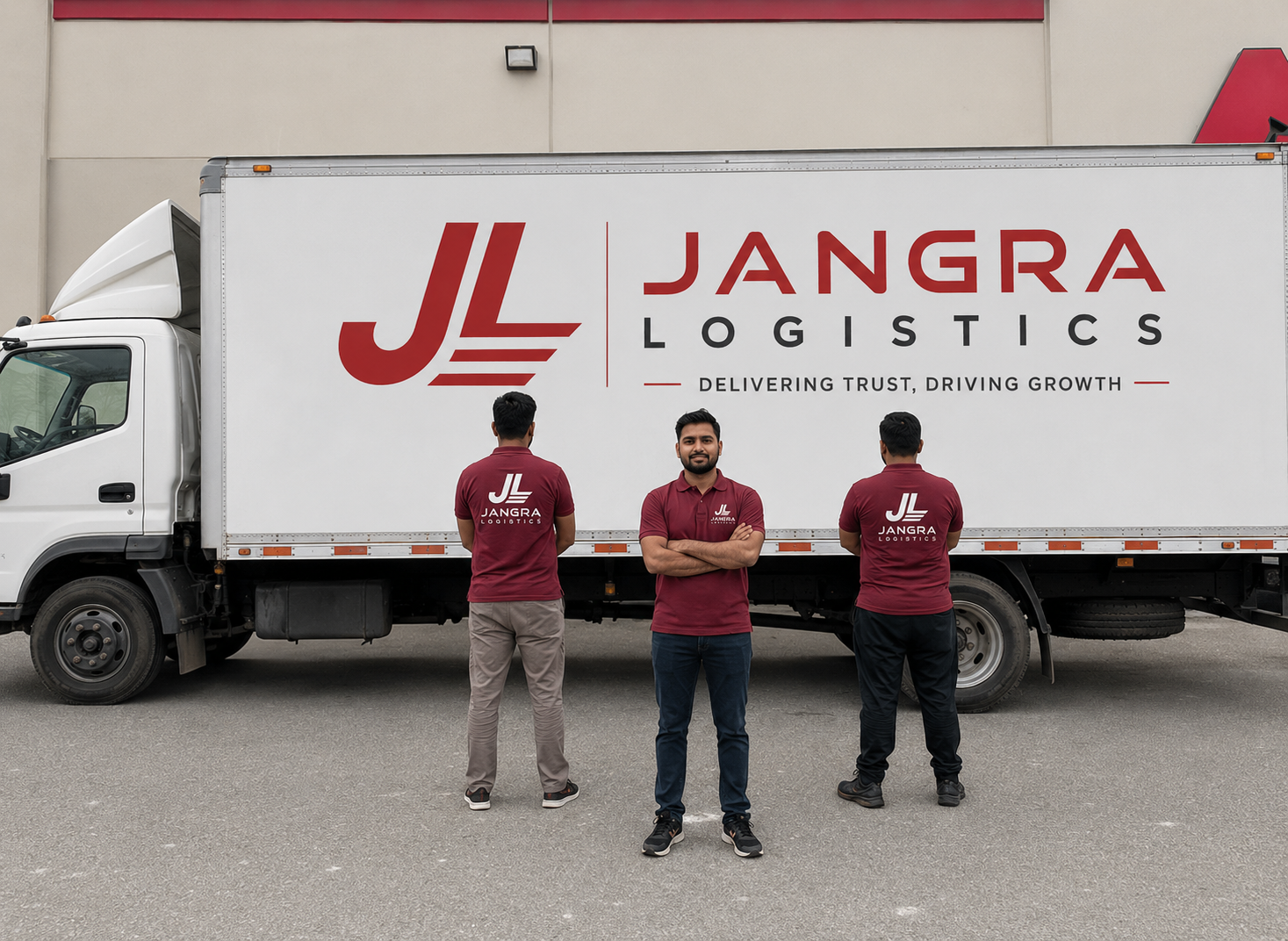
Booking a truck one size too small is the most expensive mistake in home shifting that nobody warns you about. It doesn’t just mean a tight squeeze – it means a second trip, a driver charging extra for the delay, or your sofa strapped to the back of an open truck because it simply didn’t fit inside. Booking one size too big isn’t free either; you end up paying for space and fuel you never used. Choosing the right truck for home shifting comes down to matching the vehicle to your actual load, not guessing based on how many rooms you have. Here’s a proper comparison of every truck type used for household moves in India, and how to pick correctly the first time.
Why Truck Size Actually Matters More Than People Think
Movers price a truck by its rated capacity, not by your specific furniture. A 2BHK with a lot of heavy wooden furniture and a 2BHK with mostly lightweight modular pieces can need genuinely different truck sizes, even though the home size on paper is the same. Getting this wrong in either direction costs you — undersizing risks a second trip or overloaded checkpost issues on intercity routes, and oversizing means paying a higher per-kilometre rate for a vehicle carrying half its capacity.
Truck Types Used for Home Shifting in India: Full Comparison
| Truck Type | Approx. Payload | Best Suited For |
|---|---|---|
| Tata Ace / Chota Hathi | Up to 850 kg | Studio / 1 RK, small local moves, minimal furniture |
| Tata 407 (10 ft) | 2 – 2.5 tonnes | 1 BHK, small 2 BHK with light furniture |
| Eicher 14 ft | 3 – 3.5 tonnes | 2 BHK, standard furniture load |
| Eicher 17 ft | 5 tonnes | 2.5 – 3 BHK, heavier furniture, more boxes |
| Eicher 19 ft | 7 tonnes | 3 BHK with substantial furniture, small offices |
| 20 ft Container | 6.5 tonnes | 3 BHK, weather-sensitive or high-value goods needing a closed body |
| 22 – 24 ft Container | 7 – 8 tonnes | Large 3 BHK to 4 BHK homes |
| 32 ft Container (SXL/MXL) | 7 – 18 tonnes | 4 – 5 BHK homes, villas, combined household and office moves |
These figures are standard industry load ratings — actual usable payload can vary slightly by specific chassis and manufacturer, so treat this as a planning guide rather than an exact number for every single vehicle on the road.
Small Trucks: Tata Ace, Tata 407, and Similar Mini Trucks
The Tata Ace, sometimes still called Chota Hathi from its older generation, carries up to roughly 850 kg and works well for a studio apartment, a 1 RK, or a very light 1 BHK with minimal furniture. It’s manoeuvrable in narrow lanes where a bigger truck simply can’t turn, which matters more than people expect in older colonies with tight access.
The Tata 407, particularly the 10-foot cargo bed version, steps up to around 2 to 2.5 tonnes and is often called the “gold standard” of medium-load transport in India. It suits a 1 BHK with a full furniture set or a smaller 2 BHK where the load isn’t especially heavy. It’s a genuinely versatile middle option — big enough for a proper household load, still small enough to navigate most residential streets without difficulty.
Medium Trucks: The Eicher Range (14 ft, 17 ft, 19 ft)
This is where most 2 BHK and 3 BHK moves land, and the difference between the three sizes is worth understanding rather than just picking the one your mover suggests first.
The Eicher 14 ft carries roughly 3 to 3.5 tonnes and is the standard choice for a straightforward 2 BHK move — a couple of bedrooms’ worth of furniture, a kitchen’s worth of appliances, and a reasonable number of boxes.
The Eicher 17 ft adds a genuine capacity jump, up to around 5 tonnes, and roughly 200-250 additional cubic feet of space compared to the 14 footer. This is the better choice for a 2.5 BHK or a 3 BHK with heavier furniture — wooden almirahs, a large fridge, a full dining set — where the 14 ft would be a tight fit even if the weight technically qualifies.
The Eicher 19 ft goes up to around 7 tonnes and suits a 3 BHK with a substantial amount of furniture, or a small office relocation combined with some household goods. If you’re on the boundary between a 17 ft and 19 ft, it’s usually worth going with the larger option — a half-empty 19 ft costs less trouble than a 17 ft that can’t fit everything on the first trip.
Container Trucks: 20 ft to 32 ft
Container trucks are fully enclosed, which matters for two reasons: protection from weather on longer routes, and protection from dust and road grime that an open-body truck simply can’t offer. A 20 ft container carries around 6.5 tonnes and works well for a 3 BHK move, especially one involving higher-value furniture or electronics you don’t want exposed during a long highway stretch.
22 to 24 ft containers step up to 7-8 tonnes and suit larger 3 BHK to 4 BHK homes. The 32 ft container, available in both single-axle (SXL) and multi-axle (MXL) configurations, ranges from around 7 tonnes up to 18 tonnes depending on the specific vehicle, and is the standard choice for a 4-5 BHK home, a villa, or a combined household-and-office relocation where volume is genuinely large.
Open Body vs. Closed Body: Which One Do You Actually Need
Open body trucks are generally cheaper to hire and easier to load quickly, but your goods are exposed to weather, dust, and road debris for the entire journey unless properly tarped. This is a real risk on any move longer than a short local trip, and even on local moves during monsoon season.
Closed body trucks and containers cost more but protect your belongings completely from the elements. For anything valuable, for electronics, for upholstered furniture that water can permanently damage, or for any move longer than a couple of hours on the road, a closed body is worth the extra cost. For a short local move with basic furniture and good weather, an open body truck with proper tarping is often a reasonable, more affordable choice.
Matching Truck Size to Your Actual Move: A Practical Method
Rather than starting from your home’s BHK count, start from what you’re actually moving. Walk through your home and note major furniture pieces, appliance count, and roughly how many boxes you expect once everything’s packed. A home with minimal furniture and a home with the same number of rooms but heavier, fuller furnishing can genuinely need one truck size apart.
If your estimate falls right on the boundary between two truck sizes, the safer and often cheaper choice in the long run is to book one size up rather than risk a second trip. A half-full larger truck almost always costs less than a full smaller truck plus a return trip for the overflow.
What Happens If You Book the Wrong Size
Booking too small typically means one of three outcomes: a second trip at extra cost, items left behind that you have to arrange separately, or goods overloaded and strapped in ways that risk damage in transit. On intercity routes, an overloaded truck can also get stopped and delayed at checkposts, which affects your delivery timeline.
Booking too large isn’t dangerous, but it’s inefficient. Larger trucks cost more per kilometre, and if your mover charges by vehicle size rather than actual load, you’re paying for capacity you never used.
Questions to Ask Your Mover Before They Assign a Truck
- Ask them to walk through your home or review photos before quoting a truck size. A size assigned without seeing your actual load is a guess, not a plan.
- Confirm whether the quote is for an open or closed body vehicle. This affects both price and protection level, and should never be ambiguous in your booking.
- Ask what happens if everything doesn’t fit on moving day. A mover with a clear answer — a backup vehicle on standby, for instance — is more reliable than one who hasn’t thought about it.
- Check if narrow lanes at either address require a smaller vehicle for part of the route. Older colonies and tight residential streets sometimes need goods transferred to a smaller truck for the final stretch, which should be planned for, not discovered on the day.
- Ask about weight versus volume. Some loads are bulky but light (mattresses, sofas), while others are heavy but compact (books, tools). A mover experienced with both should factor in volume, not just estimated weight.
How Jangra Logistics Chooses the Right Truck for Your Move
We assess your home in person or over a video call before assigning a vehicle, rather than defaulting to a standard size based on your BHK count alone. If your lane is too narrow for the main truck, we plan a smaller vehicle for the first stretch and transfer goods to the larger truck outside the tight access point. For anything valuable or moving a longer distance, we default to recommending a closed body option and explain the trade-off clearly, rather than assuming price is your only concern.
Frequently Asked Questions
What size truck do I need for a 2 BHK home shifting?
An Eicher 14 ft truck, carrying around 3 to 3.5 tonnes, is the standard choice for a straightforward 2 BHK move. If your furniture is heavier than average, a 17 ft truck is a safer choice.
Is a closed container better than an open truck for home shifting?
For anything valuable, electronics, or a longer-distance move, yes — a closed container protects against weather and road debris. For a short local move with basic furniture in good weather, an open body truck with proper tarping is a reasonable, more affordable option.
What truck is used for a 1 BHK move?
A Tata Ace works for a very light 1 BHK with minimal furniture. For a fuller 1 BHK, a Tata 407 (10 ft) is the more common and reliable choice.
How do I know if I need a 17 ft or 19 ft Eicher truck?
If you’re moving a 2.5 to 3 BHK with heavier furniture like wooden almirahs or a large fridge, a 17 ft usually fits. For a fuller 3 BHK or a small office combined with household goods, the 19 ft gives more room to work with.
What happens if the truck booked is too small for my goods?
Typically a second trip at extra cost, items left behind, or goods loaded in a way that risks damage in transit. On intercity moves, an overloaded truck can also be delayed at checkposts.
Does truck size affect the cost of my move?
Yes, directly. Larger trucks and closed containers cost more per kilometre or per trip than smaller open trucks, so choosing the size that actually matches your load — not oversized, not undersized — keeps costs reasonable.
Can Jangra Logistics help me figure out the right truck size?
Yes. We assess your home in person or over a video call and recommend a truck size based on your actual furniture and goods, not just your home’s BHK count.
Planning a Move? Let Jangra Logistics Get the Truck Size Right
The right truck for home shifting isn’t about picking the biggest option to be safe or the smallest one to save money — it’s about matching the vehicle to what you’re actually moving. Get this wrong and you’re either paying for a second trip or paying for space you never used. If you want an honest assessment of what your move actually needs, call or WhatsApp Jangra Logistics and we’ll walk you through it.
Looking for the best packers and movers for your move? Visit the Jangra Logistics homepage to see our full range of services across India.