At some point during a move, almost everyone asks the same question: should I just do this myself, or is it worth paying someone else to handle it? It’s a fair question. Renting a truck and asking two friends to help feels cheaper on paper. But most people who’ve actually tried a self-move once will tell you the real cost shows up later — in a chipped dining table, a cracked TV screen, or a Saturday that turned into a full weekend of lifting boxes up three flights of stairs.
There’s no single right answer here. A student moving one suitcase between hostels doesn’t need a professional crew. A family shifting an entire 3BHK across the city, with a fridge, a washing machine, and glass showpieces that have been in the family for years, is a very different story. This post breaks down what self-moving actually involves, what professional packers and movers bring to the table, and how to figure out which one fits your specific move — not just the general idea of moving.
What Self Moving Actually Looks Like
Self moving sounds simple until you’re standing in your living room at 11 PM, wrapping a mirror in a bedsheet because you ran out of proper packing material. Here’s what it usually involves, step by step:
You arrange your own vehicle. This means renting a tempo or mini truck, checking if the driver knows the route, and hoping the vehicle actually shows up on time. If it’s a load-sharing truck, your goods might sit at a transit point for a day or two before reaching you.
You do all the packing. Buying boxes, tape, bubble wrap, and old newspapers takes a trip to three different shops, usually the day before your move. Most people underestimate how much material a full house actually needs.
You do all the lifting. Wardrobes, mattresses, washing machines — these are heavy, awkward, and easy to damage if handled wrong. A scratched wall or a bent bed frame is common in DIY moves, not rare.
You take on all the risk. If something breaks, there’s no one to call. No insurance, no replacement, no accountability. It’s just gone.
It takes longer than you think. A move that a trained team finishes in a day can stretch into two or three days when you’re doing it after work hours, on weekends, with friends who have their own schedules to keep.
What Professional Packers and Movers Actually Do
A good packers and movers company isn’t just “people who carry boxes.” The service covers the whole chain — packing, loading, transport, unloading, and setting things up at the new place. Here’s the breakdown:
Packing with the right material. Corrugated boxes, bubble wrap, foam padding for furniture corners, and stretch wrap for sofas and mattresses. Glass and electronics get packed separately from everything else, since that’s where most damage actually happens.
A trained crew, not day labour. Workers who’ve done this hundreds of times know how to carry a fridge down a narrow staircase without denting it, or how to load a truck so nothing shifts during transit.
One vehicle, one point of contact. No wondering if your goods are sitting at a random depot. A dedicated truck for household moves, and GPS tracking so you can check where things are.
Insurance as an option. If something does go wrong during transit, insurance covers the cost. That’s something a rented tempo and two friends simply cannot offer.
A written price before the work starts. No last-minute renegotiation once the truck is half-loaded and you have no choice but to agree.
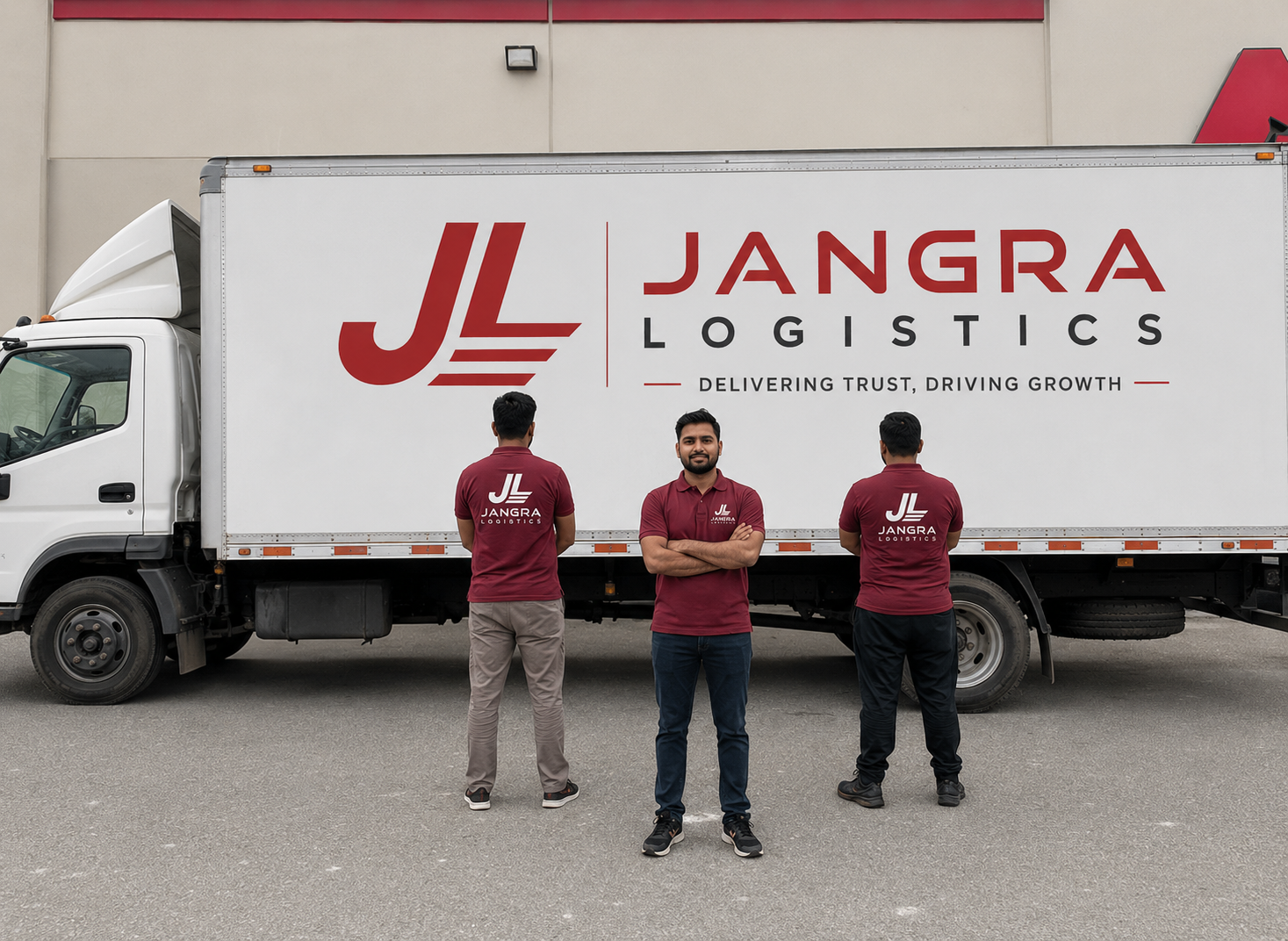
Jangra Logistics runs exactly this kind of service — trained staff, proper packing material, and a price you agree to before anything gets touched, not after.
Cost Comparison: Self Moving vs Hiring Movers
Numbers help more than opinions here. This is a rough breakdown for a typical local move within the same city.
| Cost Factor | Self Moving | Packers and Movers |
|---|---|---|
| Vehicle rental | ₹1,500 – ₹4,000 | Included in quote |
| Packing material | ₹800 – ₹2,500 (often bought in excess or shortage) | Included, correctly estimated |
| Labour (helpers/friends) | Free, but costs you favours and time | Trained team included |
| Damage risk | Fully on you, no recovery | Optional insurance covers it |
| Time spent | 1–3 days, spread across your own schedule | Usually a single day |
| Total for a 2BHK move | ₹3,000 – ₹8,000 (before factoring in damage) | ₹4,500 – ₹10,000 (all-inclusive, fixed) |
The gap looks small on paper. It gets bigger the moment something breaks, a friend cancels last minute, or the move takes an extra day you hadn’t planned for.
When Self Moving Actually Makes Sense
To be fair, self moving isn’t always the wrong call. It works well when:
- You’re moving a small space — a single room, a studio, or a hostel setup with minimal furniture
- The new place is close by, maybe just a few streets away
- You have very few fragile or heavy items
- You genuinely have the time and the extra hands to spare, without cutting into your work week
If your move fits this description, a self-move can save money without much added stress. The real trouble starts when people apply this same logic to a full household move and find out too late that it doesn’t scale.
When You Should Hire Professional Packers and Movers
Hiring a professional team makes more sense when:
- You’re moving a full home — 1BHK and above, with appliances and furniture
- You’re shifting to a different city and can’t personally supervise every step
- You have fragile, valuable, or sentimental items that you can’t afford to lose
- Your schedule doesn’t allow for a multi-day move
- You’ve had a bad self-move experience before and don’t want to repeat it
This is where the value of hiring shows up — not in the base cost, but in what you’re not losing: your weekend, your furniture, and your patience.
A Quick Way to Decide
Ask yourself these three questions before you book anything:
- How much do I actually own? A few bags — self move. A full house — professional help usually pays for itself.
- How far am I going? Same building or same street — either works. Cross-city or interstate — a professional team with one point of contact is far less risky.
- What happens if something breaks? If the answer is “I’d be upset but fine,” self-move away. If the answer involves something irreplaceable, don’t take the chance.
Frequently Asked Questions
Is self moving actually cheaper than hiring packers and movers? Not always. On paper it looks cheaper, but once you add up vehicle rental, packing material, and the risk of damage, the real cost often ends up close to what a professional move would cost — minus the guarantee.
What’s the biggest risk with self moving? Damage without recovery. If a wardrobe gets scratched or a TV cracks during a DIY move, there’s usually no one to hold accountable and no insurance to fall back on.
Do packers and movers only work for big houses? No. Most companies, including Jangra Logistics, handle everything from a single room to a full house, so the service scales to whatever you’re moving.
How much time does a professional move usually save? A move that might take a self-mover 2–3 days across evenings and weekends is usually completed in a single day by a trained team, since packing, loading, and transport happen back to back.
Is insurance worth adding for a local move? For a short local move with basic furniture, it’s optional. For anything valuable, fragile, or for an intercity move, it’s worth the small added cost for the peace of mind.
Can I get a mix — pack myself but hire movers for transport? Yes, this is common. Some people pack small personal items themselves and let the professional team handle furniture, appliances, and the heavy lifting.
Final Thoughts
There’s no universal winner between self moving and hiring packers and movers — it depends on how much you’re moving, how far, and how much risk you’re willing to carry yourself. For small, local, low-stakes moves, doing it yourself can work out fine. For anything bigger, the real value of a professional team isn’t just the muscle — it’s the accountability, the right materials, and getting your weekend back.
If you’re weighing this decision for an upcoming move, Jangra Logistics can give you a free home survey and a written quote so you can compare the real numbers for your own situation, not just a general estimate. Visit our homepage to check services in your city and get a free quote.